How Much Is Your Home Worth?

Contact
William Raveis
License #: 9515966
License #: 268528
12 Bartlet Street, Andover, MA, 01810

Winter Market Slump? Smart Ways Buyers and Sellers Can Still Come Out Ahead
Every year, the U.S. housing market follows a predictable rhythm—and winter is usually the quietest season. Between the holiday distractions, shorter days, and unpredictable weather, many homeowners choose to pause their selling plans. Fewer listings hit the market, fewer open houses take place, and sales volume typically drops.
But here’s the opportunity most people overlook:
A slower winter housing market doesn’t mean a weaker one.
Whether you're buying or selling, winter offers conditions you won’t find at any other time of year—and if you know how to use them to your advantage, you can make smarter, more strategic real estate decisions.
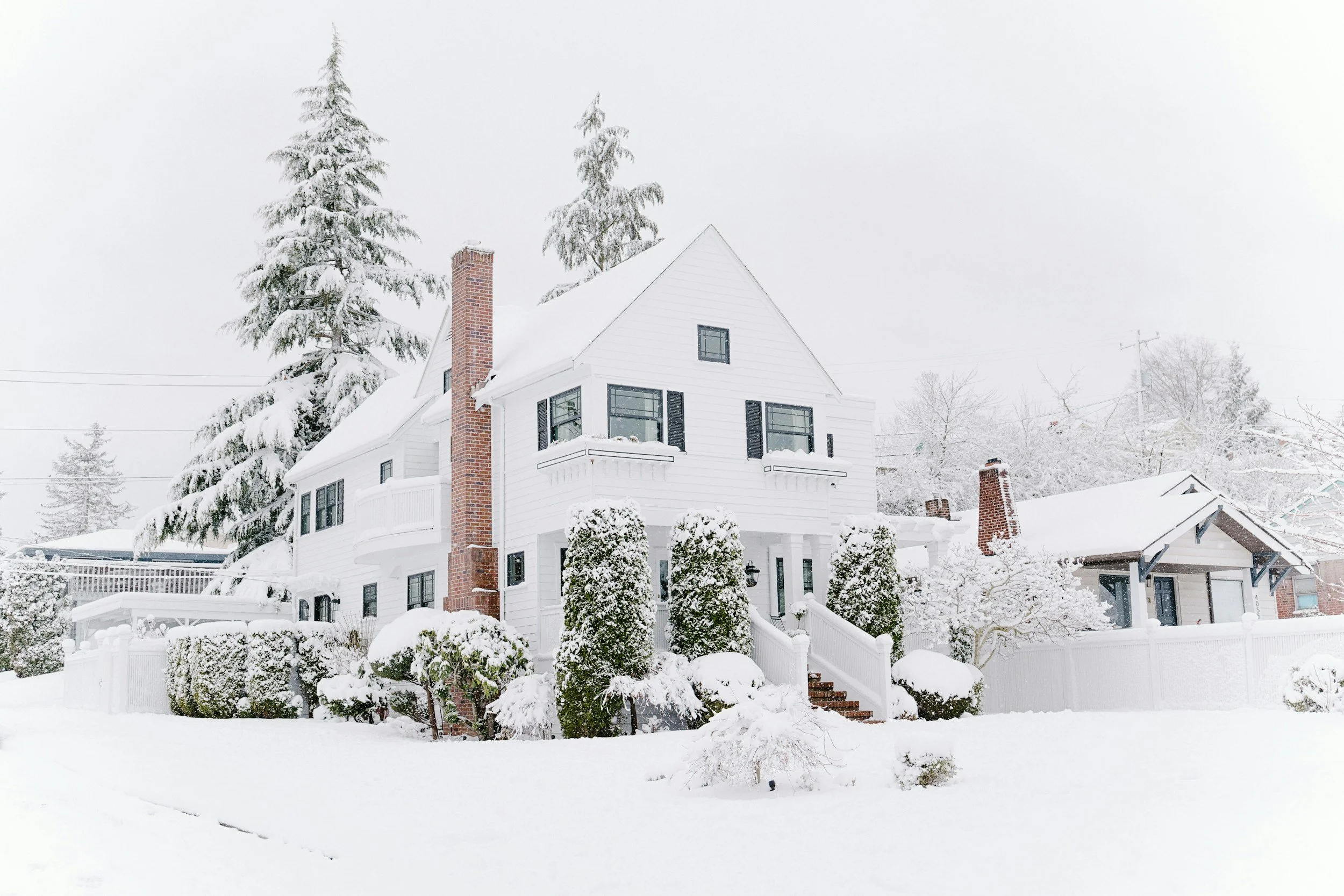
Why Winter Real Estate Is Usually Slower
Several factors contribute to the seasonal slowdown:
Holidays and travel reduce people’s bandwidth for house-hunting.
Shorter daylight hours limit showing times.
Cold weather or snow makes attending open houses less appealing.
Families avoid moving mid-school-year, shrinking demand.
Sellers wait for spring, expecting more foot traffic and better curb appeal.
Despite this, winter creates a unique market dynamic—one that often benefits serious buyers and motivated sellers the most.
For Buyers: Winter Can Be a Hidden Advantage
1. Less competition = More negotiating power
In winter, many casual buyers stay home. That means fewer bidding wars and more breathing room.
When competition drops, buyers often gain:
Better price flexibility
More room for inspection requests
The ability to include contingencies
A realistic shot at below-asking deals
Homes that didn’t sell in the fall may also be more negotiable by December or January.
2. Sellers are often more motivated
Winter sellers usually have a reason they can’t wait until spring—job relocation, financial changes, or timing constraints.
Motivated sellers typically:
Price more realistically
Entertain stronger concessions
Move faster through negotiations
That urgency is a buyer’s friend.
3. Buyers get a clearer picture of the home
Winter exposes issues that summer hides, including:
Drafts or poor insulation
Heating system performance
Ice dams or roof problems
Water intrusion in basements
If you want to understand a house’s true condition, winter is the perfect testing ground.
For Sellers: Winter Still Offers Key Opportunities
1. Less inventory means your home stands out
Buyers who are searching in winter tend to be serious—and with fewer homes available, your listing may get more attention than it would in a crowded spring market.
In many cities, winter inventory is 20–40% lower, which boosts visibility and reduces competition.
2. Homes feel warmer and more inviting
Winter is the season for:
Cozy lighting
Holiday décor
Warm interiors
Fireplaces that sell themselves
Buyers often form emotional attachments more quickly in winter, which can help your home make a lasting impression.
3. Relocation season brings highly motivated buyers
January and February are peak months for:
Corporate transfers
Job relocations
Military moves
End-of-year accounting and tax decisions
These buyers have a deadline, making them more determined to purchase quickly—and often at full price.
Smart Strategies to Make the Most of the Winter Market
For Buyers
Get pre-approved before touring homes
Check insurance rates for winter-related risks
Ask for seller credits toward rate buydowns
Tour homes on snowy or rainy days for maximum transparency
For Sellers
Keep walkways clear of ice and snow
Use warm lighting and uncluttered winter décor
Price competitively based on recent winter comps
Emphasize energy efficiency (buyers care more in cold months)
A well-priced, well-presented winter listing can outperform spring listings—especially when buyers have fewer options.
Winter Isn’t a Slow Market—It’s a Strategic One
Winter may have fewer listings, fewer open houses, and fewer sales overall, but that doesn’t mean it lacks opportunity. In fact, winter is one of the most strategically advantageous seasons for both sides of the transaction:
Buyers enjoy less competition, motivated sellers, and clearer home inspections.
Sellers benefit from lower inventory, more serious buyers, and seasonal appeal.
If you’re willing to work with the season rather than wait for spring, winter might just be your best chance to buy or sell with confidence.
Matt Witte strives to be the best realtor in North Andover, MA.
Any questions about real estate, reach out to Matt Witte, North Andover Realtor, MA






Disclaimer: All information contained on this website is deemed reliable but not guaranteed. All properties are subject to prior sale, change or withdrawal notice thelucciwitteteam.com believes all information to be correct but assumes no legal responsibility for accuracy.